
You’ve probably seen it on LinkedIn or Twitter. Someone posts a video: they type a sentence into a box, hit enter, and — boom — a working app appears on screen. No terminal. No Stack Overflow. No three-hour debugging session.
That’s vibe coding. And in 2026, it’s no longer a party trick.
But before you close your laptop and tell your developer friend they’re out of a job, let’s slow down and actually understand what this is, how it works, and what it can — and can’t — do for you.
What Is Vibe Coding, Exactly?
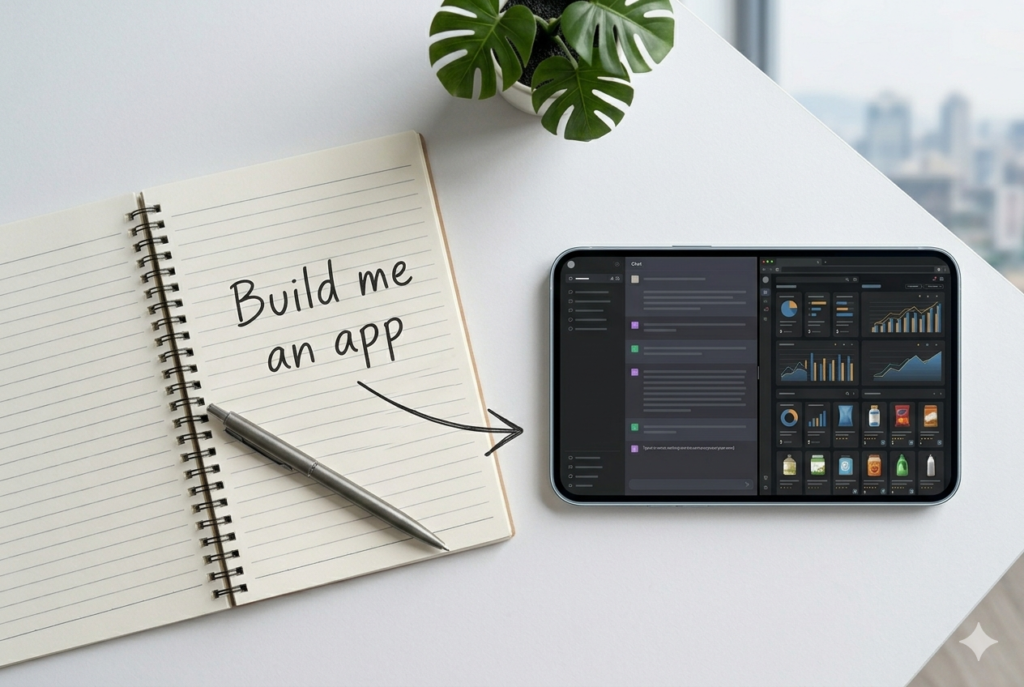
The term was coined by OpenAI co-founder Andrej Karpathy in early 2025. The idea is simple: instead of writing code, you describe what you want in plain language, and an AI writes the code for you. You just… vibe with it.
In practice, it looks like this:
- You type: “Build me a landing page for my coffee subscription business with a sign-up form and pricing table.”
- The AI generates the full code — HTML, CSS, JavaScript, maybe even a backend.
- You click around, tweak things by describing what you want changed, and ship it.
No syntax. No semicolons. No wondering whether the bug is on line 47 or line 48.
Why Is Everyone Talking About It in 2026?
Because it actually works now — at least for a lot of use cases.
When platforms like Lovable, Cursor, and Bolt first appeared on top AI app lists back in 2025, they represented something genuinely new: AI products that didn’t just answer questions or generate media, but built things on the user’s behalf. That was agentic behaviour, scoped to a single vertical. A16z
Fast forward to today, and the ecosystem has matured fast. Traffic across the top vibe coding platforms has continued growing — though the initial explosion has slowed — while revenue keeps climbing as developers and teams use them more intensively. A16z
The bigger shift? It’s no longer just developers using these tools. Founders, marketers, and product managers are now spinning up prototypes without touching a code editor. That’s the part that’s actually new.
The Biggest Vibe Coding Tools Right Now
Here’s a quick breakdown of the main players you’ll hear about:
| Tool | Best for | Free tier? |
|---|---|---|
| Cursor | Developers who want AI inside a real code editor | Yes |
| Lovable | Non-developers building full web apps | Yes (limited) |
| Replit | Quick prototypes, collaborative coding | Yes |
| Bolt | Fast front-end builds from a prompt | Yes |
| v0 (Vercel) | UI components and React interfaces | Yes |
Replit and Lovable both feature in the top consumer AI apps list as of early 2026, alongside Claude Code (via Claude) — which tells you just how mainstream this category has become. A16z
Most of these tools integrate with the latest frontier models. Windsurf, for example, currently tops the AI development tool rankings with features like side-by-side model comparison, parallel multi-agent sessions, and its Cascade AI agent — available from free up to $60/month. LogRocket
What Can You Actually Build With Vibe Coding?
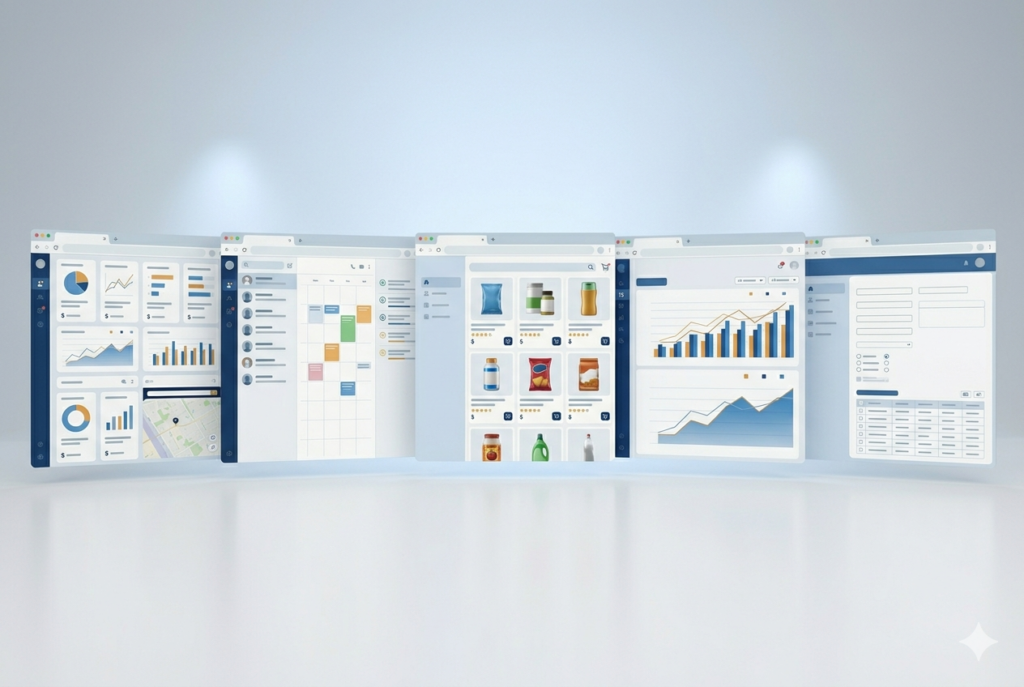
This is the honest part. Vibe coding is genuinely powerful for:
✅ Things it handles well:
- Landing pages and marketing sites
- Simple web apps (to-do lists, calculators, booking forms)
- Prototypes and MVPs to show investors or test ideas
- Internal tools (dashboards, spreadsheet automations)
- Brochure-style SaaS frontends
❌ Things where it still struggles:
- Complex backend logic with lots of edge cases
- Apps that need to handle real user data securely at scale
- Anything requiring deep integration with legacy systems
- Performance-critical applications
The honest truth? In 2026, the industry is moving from flashy demos to targeted deployments — from agents that promise autonomy to ones that actually augment how people work. TechCrunch Vibe coding fits squarely in that story. It’s a real productivity multiplier, not a magic wand.
What Does the Workflow Actually Look Like?
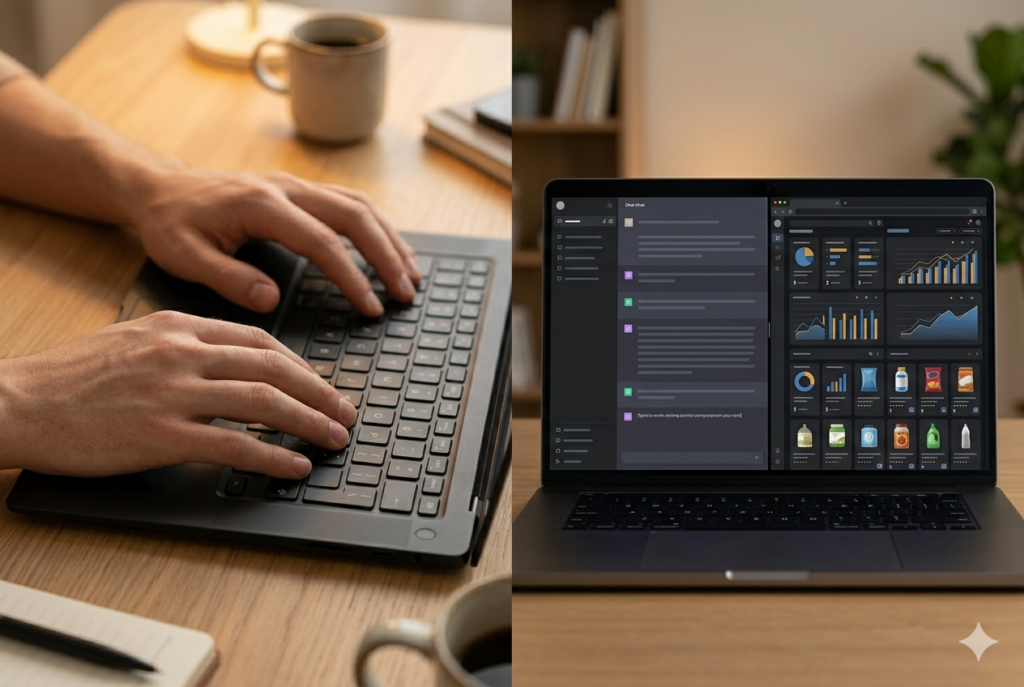
Let’s walk through a realistic example. Say you want to build a simple waitlist page for a new product idea.
Step 1 — Describe your idea You open Lovable (or Bolt, or v0) and type: “Create a clean waitlist landing page for a productivity app. Include a headline, a short description, an email signup form, and a ‘Join Waitlist’ button. Use a dark background with green accents.”
Step 2 — Review what the AI builds Within seconds, a working page appears. You can see it rendered live.
Step 3 — Iterate by talking You type: “Make the headline bigger. Move the form above the fold. Add a counter showing how many people have already joined.” The AI updates the code.
Step 4 — Connect real functionality Most platforms let you connect a form to a service like Airtable, Notion, or a simple database — often with one click or another short prompt.
Step 5 — Deploy Hit publish. Done.
Total time: 20–30 minutes for someone with zero coding experience.
Should You Learn to Code Anyway?
Here’s the question people really want answered.
The short answer: understanding the basics still helps — a lot. When something breaks (and it will), knowing roughly what’s happening under the hood means you can guide the AI to fix it instead of going around in circles.
The bigger shift happening in 2026 is who gets to build. Business users — not just engineers — are now creating applications, with platforms allowing agent deployment in hours rather than months. Salesmate That’s a real change. But the people getting the most out of vibe coding tools tend to be those who understand what they’re asking for, even if they don’t know how to write it.
Think of it like cooking with a very good sous chef. You don’t need to know every technique — but you do need to know what you want the dish to taste like.
The Bottom Line
Vibe coding in 2026 is real, useful, and accessible to almost anyone. If you have an idea for a simple app, a side project, or a prototype — there has never been a cheaper or faster time to try building it.
The AI trends of early 2026 point to one clear conclusion: AI is no longer optional for staying competitive. The move from experimentation to production means companies that effectively integrate AI will gain a significant advantage. BuildEZ
That goes for individuals too. You don’t need to become a developer overnight. You just need to start experimenting.
Pick one tool from the list above, describe something you’ve always wanted to build, and see what comes back. You might surprise yourself.
Have you tried any vibe coding tools yet? Which one are you curious about? Drop a comment below — we’d love to hear what you’re building.
Want to go deeper? Check out our What Is Agentic AI? guide and our ChatGPT vs Claude vs Gemini(2026) to find the right tools for your workflow.